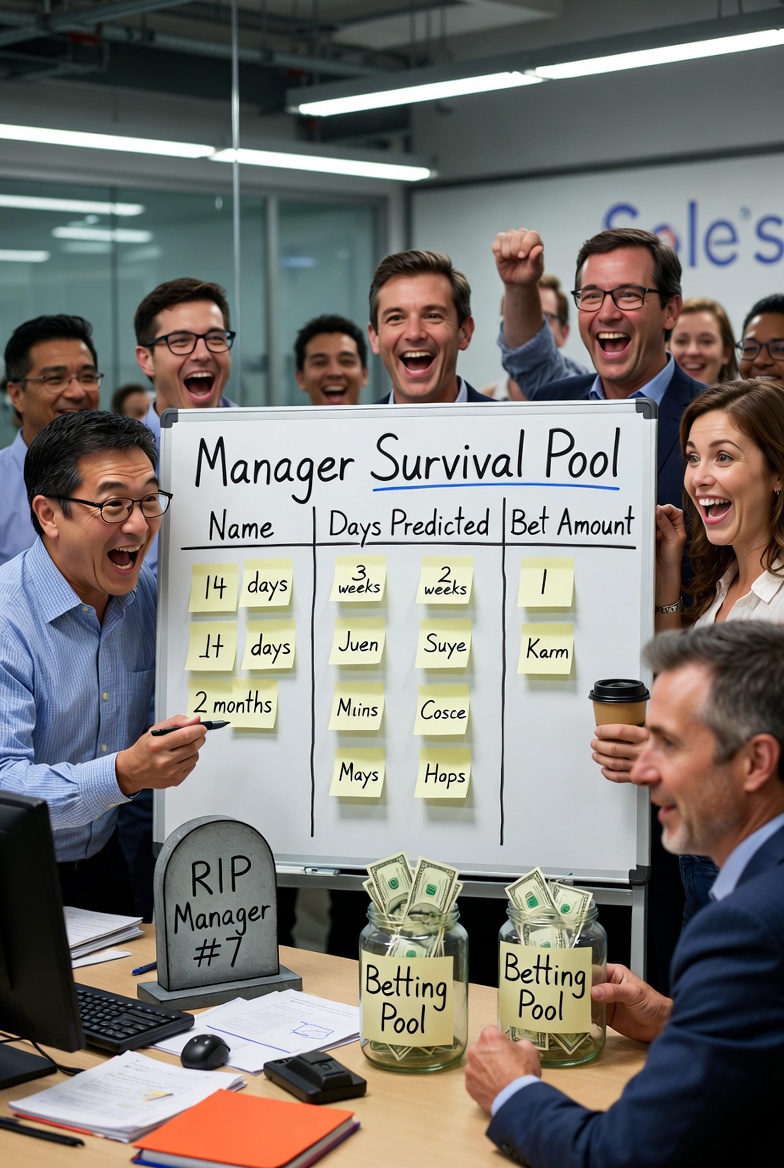
The canteen wall told the story before anyone in management would.
A sports medicine company in the northeast US had just had its best product launch in years. Adoption was oversubscribed. Revenue was climbing faster than anyone had modelled. The 25-year-old manufacturing facility, never built for this volume, was producing something else entirely: a queue of quality managers who lasted, on average, less than six months.
The team knew. They had a betting pool on the wall. The longest tenure in the last four hires had won someone thirty dollars.
The VP Quality called me. Not with a brief. With a problem.
The pressure on the QMS was serious. Training gaps, staff morale in freefall, processes that had worked fine at half the volume starting to fracture under demand. And behind all of it, the thing nobody wanted to say directly: if the FDA appeared, the commercial momentum they'd spent years building could stop.
Her internal TA manager was good at her job. She'd hired well, consistently, into roles with the usual challenges. But she'd never written a brief like this one. Because this wasn't a Quality Manager brief. It was a transformation brief, and those are different animals.
I shared what the profile actually looks like. Not what it says it is; what it actually is.
The transformation Quality Director has a CV that makes cautious TA managers nervous. Short tenures. Complex situations. Possibly an Interim title somewhere. A recruiter screening for stability will pass on this person every time. That's the error. Short tenures in difficult environments are not a red flag on this archetype; they're the qualification. The best transformation hires know what they are. They're motivated by complexity. Once the building stops burning, they get restless.
The brief needs to describe the problem, not the role. Not "Quality Manager with strong QMS background." Something closer to: "We are a post-launch medical device company under regulatory and operational pressure. We need someone who has been here before, who knows how to stabilise a QMS under FDA scrutiny, and who can rebuild team confidence in an environment where trust has been damaged."
That brief finds a different person. A better person for this situation.
There's a complication worth naming. Writing an honest brief and posting it publicly are two different things. A job advert that accurately describes regulatory pressure, QMS failures, and a team whose morale needs rebuilding sends a signal: to staff, to investors, to competitors. Not always a signal you want to send. I don't know how this company advertised the role. What I know is that the right brief and the right advert are rarely the same document. A retained search run through a specialist who already understands the environment doesn't require you to broadcast the problem to find the person who can fix it.
I didn't get the assignment. I gave forty minutes of advice and wished her well. Genuinely.
Two years on: the person they hired is still in the seat. The QMS is being remediated. The team has stabilised. Whatever they did with the brief, they found the right archetype.
Here's what I think about that.
Recruitment isn't a transaction every time. Sometimes the most useful thing a specialist can offer is the diagnosis — the distinction between a standard hire and a transformation hire, made early enough to matter. I've been recruiting in complex environments for thirty years. I have accumulated opinions about what works and what doesn't. Sharing those opinions isn't a loss leader. It's just what you do when you actually care whether the outcome is right.
This company may never instruct Innotech. Or they might. Or the VP will be at a conference, talking to a CEO who's had three quality managers in 18 months, and she'll mention a conversation we had.
Specialist knowledge compounds. Give it generously.